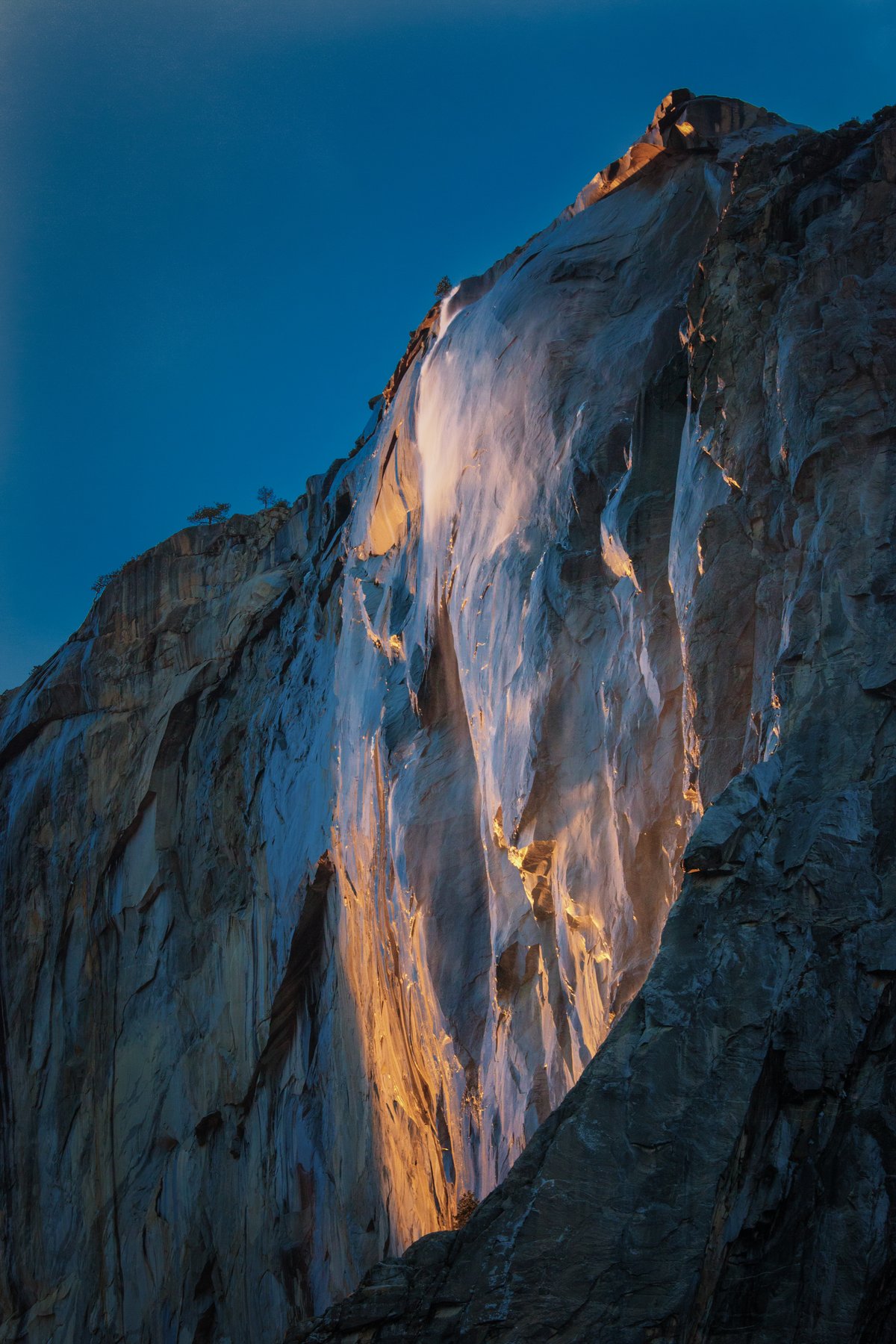
For a short stretch each winter, a thin waterfall on the east face of El Capitan can turn the color of molten copper. Photographers call it the firefall. The National Park Service calls it what it is: Horsetail Fall catching the setting sun on a clear evening, when there's enough snowmelt to keep the water moving.
It's one of the stranger light shows in California, and one of the least guaranteed. Plenty of people plan a trip around mid-February and leave with a gray cliff and a long walk in the dark. This guide sticks to what Yosemite publishes now, so you can decide whether the odds are worth the drive.
What the firefall actually is
Horsetail Fall spills over the eastern edge of El Capitan in Yosemite Valley. Most of the year it's dry or a faint trickle. In winter, snowmelt and rain can bring it back for a few weeks. On rare evenings in mid- to late February, the sun drops to an angle that backlights the falling water. When that lines up, the fall glows orange or red for a short window right around sunset.
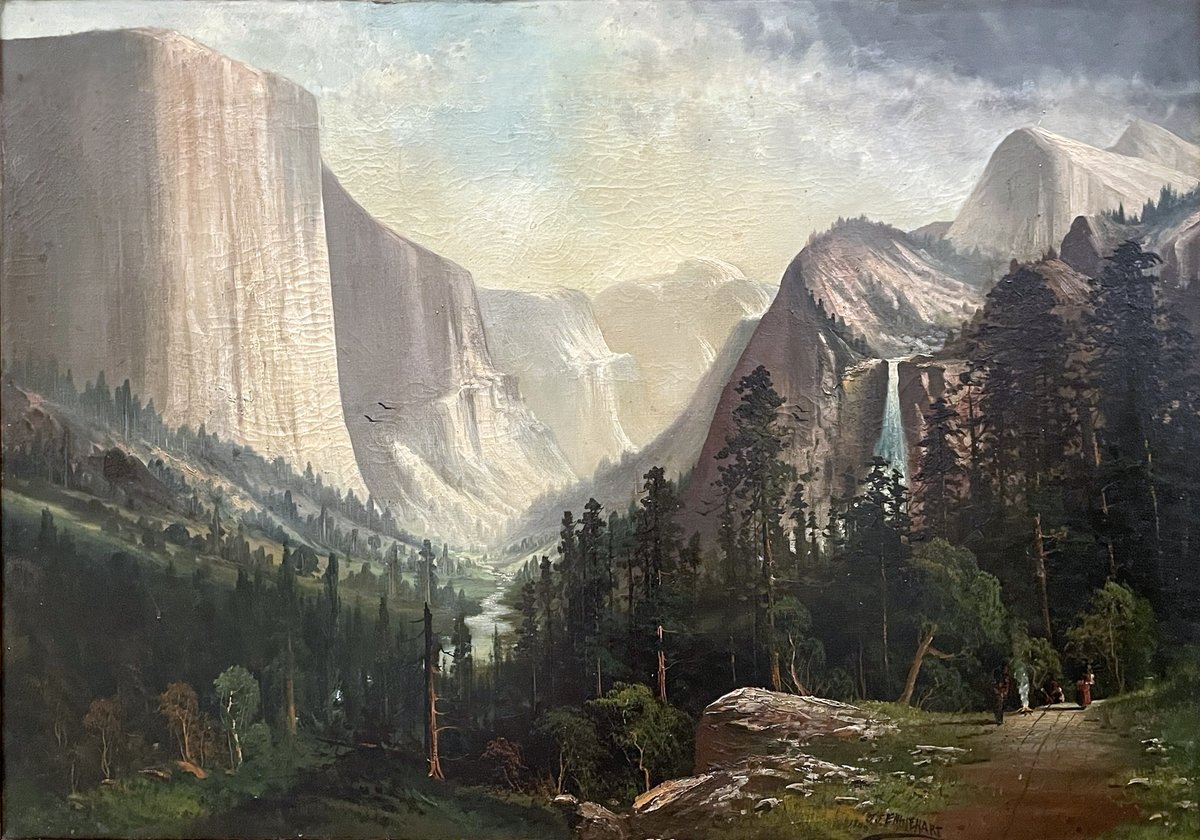
The park is clear about the conditions. You need a clear sky and a flowing waterfall. Haze or even light cloud cover can weaken the color or wipe it out. The effect is entirely natural. It reminds many visitors of the old Glacier Point Firefall, when park crews pushed burning embers off the cliff for decades until that practice ended in 1968. This one needs no human help. It also needs luck.
NPS notes that the phenomenon is most often discussed for mid- to late February, and that some years the window can stretch earlier. The park does not publish a fixed calendar of "firefall nights." Weather and snowpack decide.
When to go (and why many years miss)
If you're building a trip, treat mid- to late February as the core window and watch the park's Horsetail Fall page and weather forecasts in the days before you leave. A warm stretch with clear afternoons and enough snow left to feed the fall is the dream. A dry winter can leave the cliff dry. A stormy week can leave you staring at clouds.
Come ready for the possibility that the light never shows. The walk, the cold and the crowd are real either way. Some visitors use the same evening to watch alpenglow on El Capitan and call that a win. Others pick a second night if lodging allows. Either approach beats pinning the whole trip on one sunset.
Where to watch (current NPS guidance)
For the February viewing season, Yosemite asks people to park at Yosemite Falls parking, just west of Yosemite Valley Lodge, and walk about 1.5 miles each way to the viewing area near El Capitan Picnic Area. If that lot is full, park at Yosemite Village or Curry Village and take the free valley shuttle to the Yosemite Falls / Lodge stop.
A few rules matter for logistics:
- Parking, stopping and unloading are prohibited between Lower Yosemite Fall and El Capitan Crossover on Northside Drive.
- One lane of Northside Drive is closed to vehicles so pedestrians can walk the road between Yosemite Falls parking and the viewing area.
- Vehicles with a disability placard may drive to El Capitan Picnic Area and use turnouts on the north side of Northside Drive.
- On busy weekends, Northside Drive may close completely for about half an hour right after sunset while the crowd clears.
- Southside Drive stays open to cars, but parking, stopping and unloading are prohibited from El Capitan Crossover to Swinging Bridge Picnic Area, and pedestrians stay off that roadside stretch. The strip between the road and the Merced River from Cathedral Beach Picnic Area to Sentinel Beach Picnic Area is closed to entry during the event period.
Vault toilets plus trash and recycling dumpsters sit at El Capitan Picnic Area. Use them. Bring a headlamp or flashlight for every person in your group. Expect snow and ice on the walk back after dark, and plan on traction for your boots.
These restrictions exist because the event got huge. On February 19, 2022, the park counted 2,433 people watching Horsetail Fall in areas that were never built for that kind of crowd. Riverbanks eroded, vegetation took a beating, and some spectators ended up in the Merced itself. The current setup keeps people on durable surfaces with toilets and a managed walk.
Stay out of meadows. Stay on trails or in already-disturbed forest openings at the viewing area. Keep clear of fenced restoration zones and burned snags that can drop limbs without warning.
Park entry and reservations for 2026 (check again for 2027)
As of the park's February 2026 announcement, Yosemite is not using a timed entrance reservation system for 2026. You still need a park entrance pass. A private vehicle pass is $35 and good for seven consecutive days. Motorcycle is $30. Entering on foot or by bike is $20 per person age 16 and up. The park is cashless at entrance stations. An America the Beautiful pass covers the entrance fee.
For the Horsetail Fall area specifically in February 2026, NPS says a reservation is not required. Rules for later years can change. Before you book lodging for a 2027 trip, re-check the park's entrance reservations page and the Horsetail Fall page. Those are the sources that matter.
Weekdays are usually calmer than weekends. Arrive with time to spare so you're not hustling the 1.5-mile walk in fading light.
Photography tips that actually help
You do not need a rare lens. You need a clear western sky, a flowing fall and a spot in the designated viewing area where El Capitan's east edge is visible. A tripod helps once the light gets low, and so does arriving early enough to claim space without stepping into a meadow. Shoot a few frames before peak color so you know your exposure. The glow, when it happens, can last only minutes.
Keep your pack simple: camera or phone, spare battery (cold drains them fast), headlamp, warm layers. A small headlamp and microspike-style traction earn their space in a February pack more often than extra glass does.
If the fall stays dark, turn around and look at the valley. Tunnel View and the open meadows near El Capitan still deliver classic winter light when the firefall skips a night.
Nearby Yosemite stops worth pairing with the trip
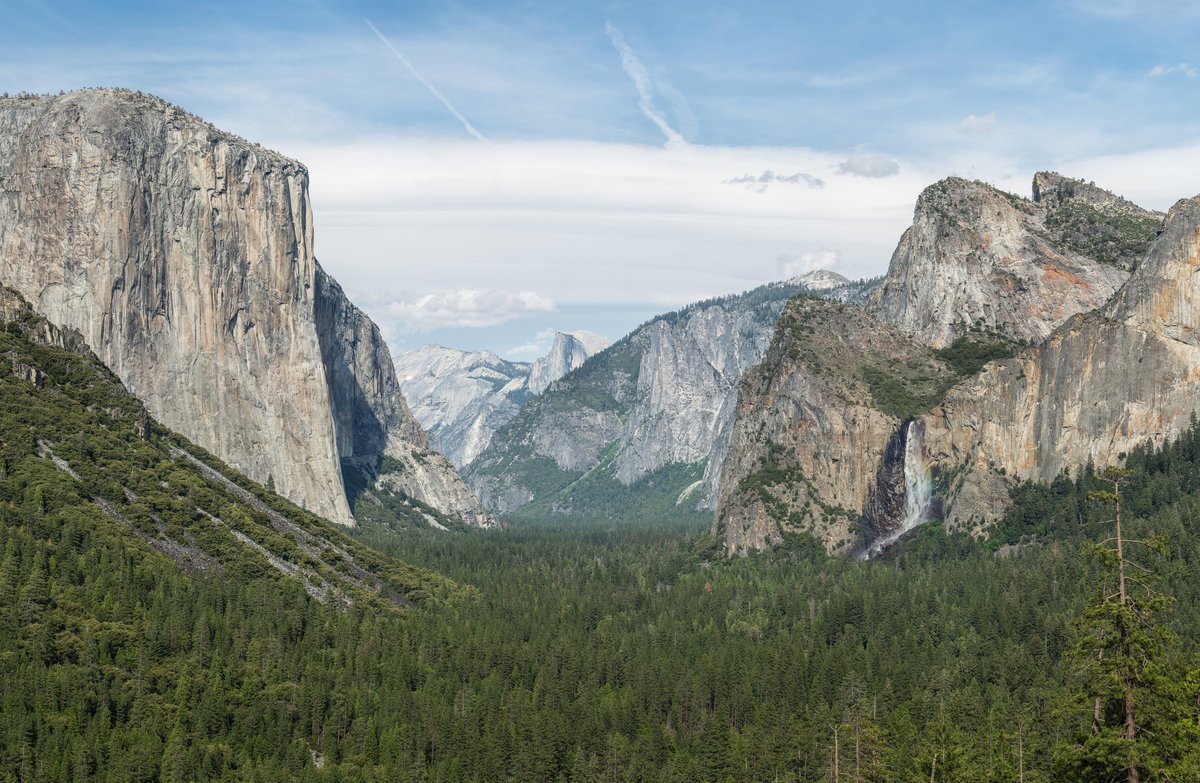
You're already in the valley for a sunset walk. Build the daytime around stops that are open to the public year-round and easy to verify:
- Tunnel View. The classic pullout on Wawona Road looking into Yosemite Valley with El Capitan, Half Dome and Bridalveil Fall in one frame. It's a short stop and a reliable photo even when Horsetail Fall is quiet.
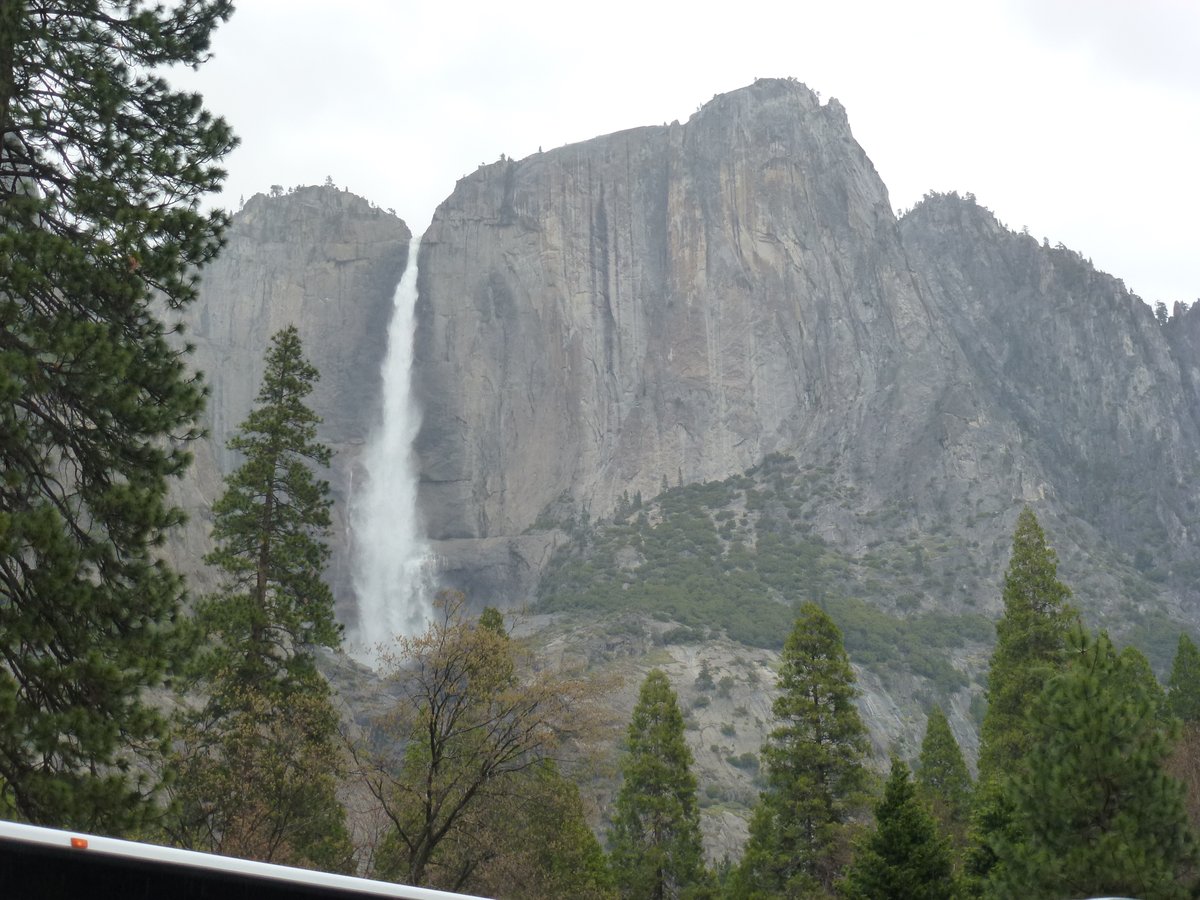
- Yosemite Falls. Upper and Lower Yosemite Falls sit close to the same parking area you may use for the firefall walk. In a wet winter they roar; in a dry one they're a thin white line. Either way, the meadow paths around the base are an easy daytime walk.
- Valley View / El Capitan Meadow area (daytime). From the valley floor you can study the east face of El Capitan and spot the Horsetail Fall notch in daylight, which makes the evening walk feel less abstract.
Stick to signed roads, pullouts and trails. The park's event rules around the Merced and Southside Drive are there for a reason.
Before you go
- Confirm the week of your trip on the NPS Horsetail Fall page and the park conditions page. Flow, sky and temporary road controls can shift.
- Re-check entrance rules if you're traveling after 2026. Timed reservations may return in a later season.
- Dress for a cold night walk. Warm boots, layers, gloves and a light for every person.
- Park where the park tells you and walk the managed route. Leave meadows and riverbanks alone.
- Carry water and a snack. Services thin out after dark, and the round-trip walk from Yosemite Falls parking is about three miles.
- Have a backup plan. Tunnel View at sunset, a valley meadow walk or a second evening if you can swing it.
Horsetail Fall's firefall is a short, weather-tied moment on a famous cliff. Plan for the walk and the cold first. Treat the orange glow as a bonus when the sky and the snowmelt agree.
Looking for more unusual California trips? Head to our California hub, or see our guides to unique places in California and ghost towns you can actually visit.
More California: California state guide · The most unique places in California · California scenic road trip · California ghost towns · California Route 66 oddities road trip · Pacific Coast Highway oddities · California places with a haunted reputation